
GUIDE FOR BUYING BOOKS ONLINE
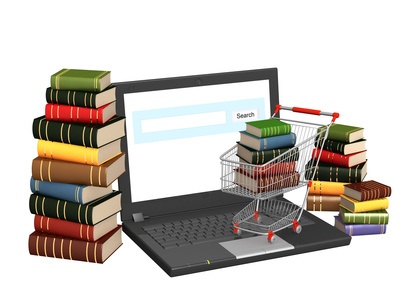
It might sound a bit quirky that you need tips for buying books, but yes, you need to know some facts so that you end up as a happy online buyer. Apparently, it looks to be a very easy task, but with fake businesses operating online, you need to be on your toes to seal the best deal. The urge to save among students and parents makes their research, seek recommendations from friends and family before relying on a book store, and in the online domain, you need to do your homework, before exercising the buying option.
School books: The friends that students cannot avoid!
Whether the young enthusiastic souls like it or not, school books are something that they cannot ignore at all. From packing these in school bags every day to sharing a good rapport with these all through the day for score-welling in examinations and observing one’s self-growth, there is no replacement for books. The convenience of online shopping opening several avenues to buy in bulk in a cost-effective way or pick single pieces as one chooses has opened up and e-shops are also pampering customers with various payment options. It is time to trash all worries if you cannot go to a physical store as your book-buying needs are met online in a superb way. Just place your order online, track your order before it gets delivered to your doorstep in quick time.
How are books to be chosen?
Offline purchases usually rely on a hunch or gut feeling, excellent price negotiations, and, of course, knowledge of the stores that sell quality books at relatively affordable rates. When it comes to buying from online stores, the following tips can be helpful.
- Look for safe sources – Buy from reliable websites after going through user recommendations, reviews and feedback.
- Buy early – Start searching for the books as soon as the academic session begins, in order to get books while the stocks are still not empty and there is less competition from other customers.
- Compare prices – As compared to the physical book stores, those at e-stores are relatively cheaper to buy. But it is still a good idea to use comparison shopping engines and find out the actual prices of the books.
- Sign up with stores – A lot of stores have the scope for membership, and you may register with multiple e-shops to get free information about new offerings, rewards, free shipping or discounts through email notifications.
- Use accurate details – While looking for specific books, you should use the ISBN number, title name or author name in order to find the right books across various online vendors and compare the costs.
The definitive guide to car window tinting in canberra is now available to buy online.
Collagen Face Masks – Fact or Fiction? A research piece by Suma Nurica
A research piece on mens running shoes was written by the experts at Mizuno.